Civilized Meal Time and the Virtues of School Lunch

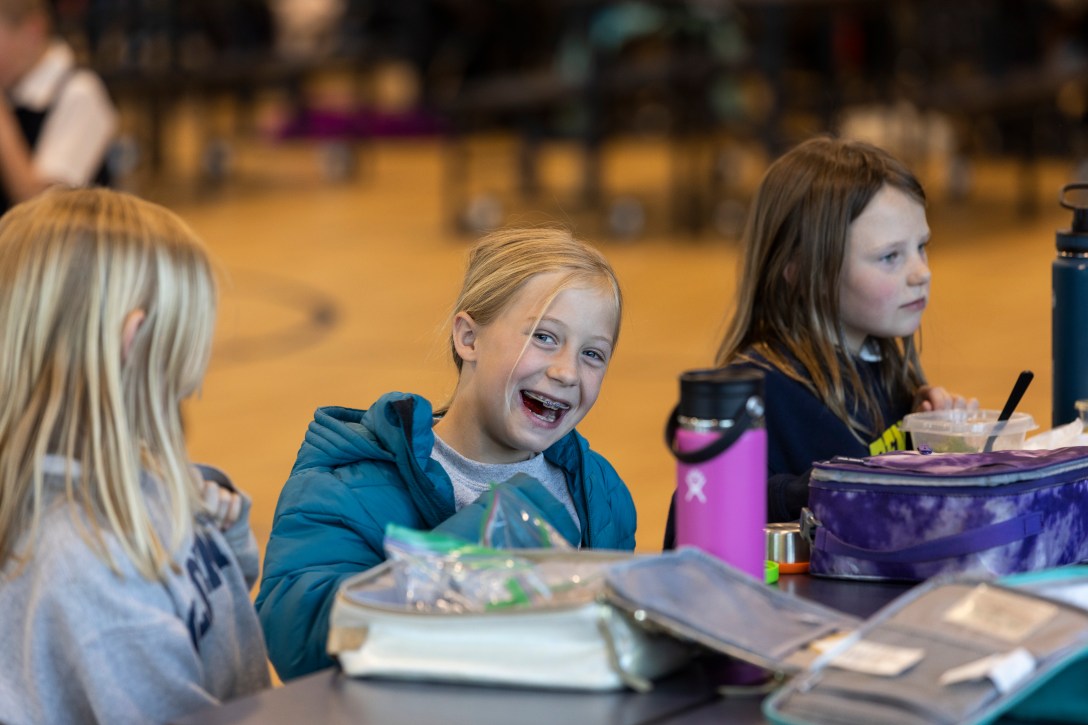
There's a reason why the image of a family gathered around a table enjoying a meal together invokes warm feelings of communion and kinship. While we can't recreate a shared family dinner with all its intimacy inside the schoolhouse, teachers can help to develop in children the kinds of virtues and conversational skills that are… Continue reading Civilized Meal Time and the Virtues of School Lunch

Meaningful Mistakes & Desirable Difficulties

In teaching rigorous content, there’s a golden mean between safeguarding students from any glimpse of ‘failure’ and letting them flounder miserably. That sweet spot is what I like to call the zone of desirable difficulties and meaningful mistakes. Nobody likes to feel like they’re wrong or unable to solve problems, especially adolescents keen on impressing… Continue reading Meaningful Mistakes & Desirable Difficulties

The Power of a Demonstration

There are a number of mistakes I have made teaching throughout the years, but I think perhaps the biggest was not providing enough studio demonstrations when I first started teaching art. Back then I had a fear that my demonstrations would not turn out well and I would lose credibility with the class if they… Continue reading The Power of a Demonstration

The Importance of Rest in Classical Education

“Pourquoi est-ce que les vacances scolaires sont importantes?” Posing the question “Why are school breaks important?” to a room of high schoolers four days before the end of first semester garnered the exact passionate responses I anticipated from these tired youths. After some time for reflection, I recorded the class’ reactions on the board: “Nous sommes fatigués ! Il faut se reposer ! J’ai envie de dormir ! - We are tired! We have to rest! I need sleep!” As a teacher, I feel the same sentiments keenly this time of year.

The Day Before a Break

With everyone’s minds on the family gatherings, vacation trips, or general time of relaxation so near at hand, it is especially hard to keep students’ attention and interest in class materials. However, we don’t want to waste the precious minutes we have with our students and make school that day feel like a waste for both you and them. So, what can be done to make the day productive? 

Colored Paper in Math Class

We began our lesson on fractions, and I prepared to say the words I read in the manual the day before. "The numerator is the number above the fraction line. The denominator is the number underneath the fraction line. They represent parts being taken or the total number of parts in the whole, respectively." As I considered these words, I realized how abstract these ideas are. My lesson could be much more effective with a practical activity in my students’ hands.