
In this article, Mr. Battaglia shares a framework for how history teachers might consider the classical Trivium when planning a lesson.

A glimpse inside Hillsdale College's network of classical schools across the country.
In this article, Mr. Battaglia shares a framework for how history teachers might consider the classical Trivium when planning a lesson.
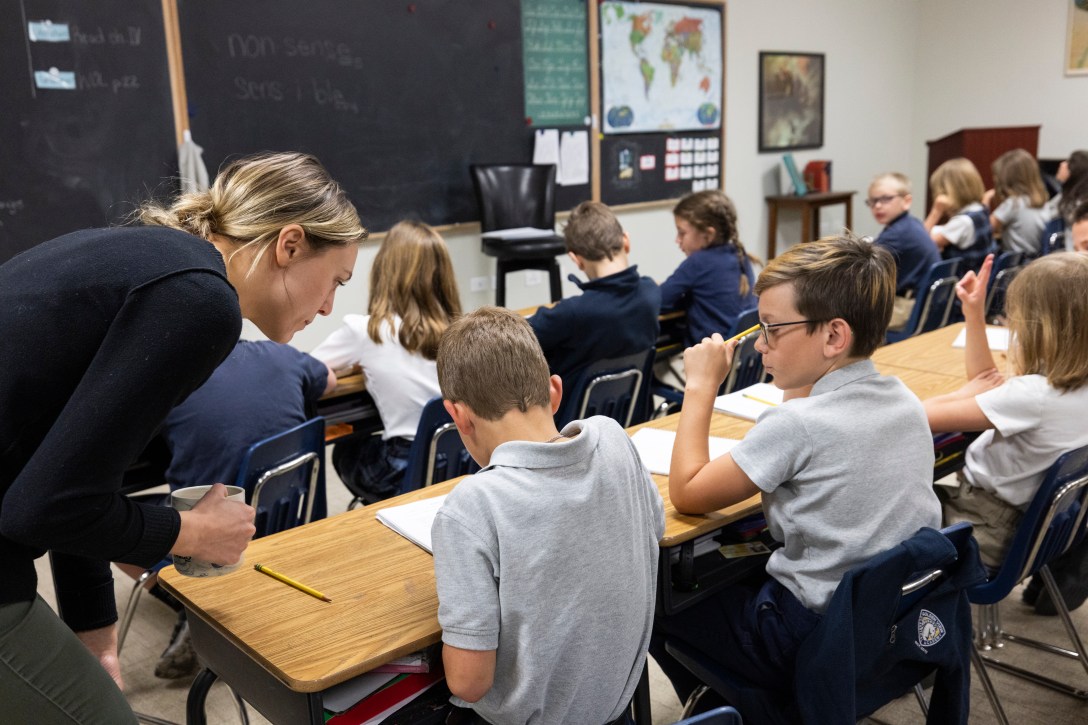
Every teacher across American has students take notes in class. But why? Are notes only useful as a study tool, or are there some other ways that notes are beneficial to students and teachers? Read through this post for Master Teacher Jenny Mulvey's thoughts!
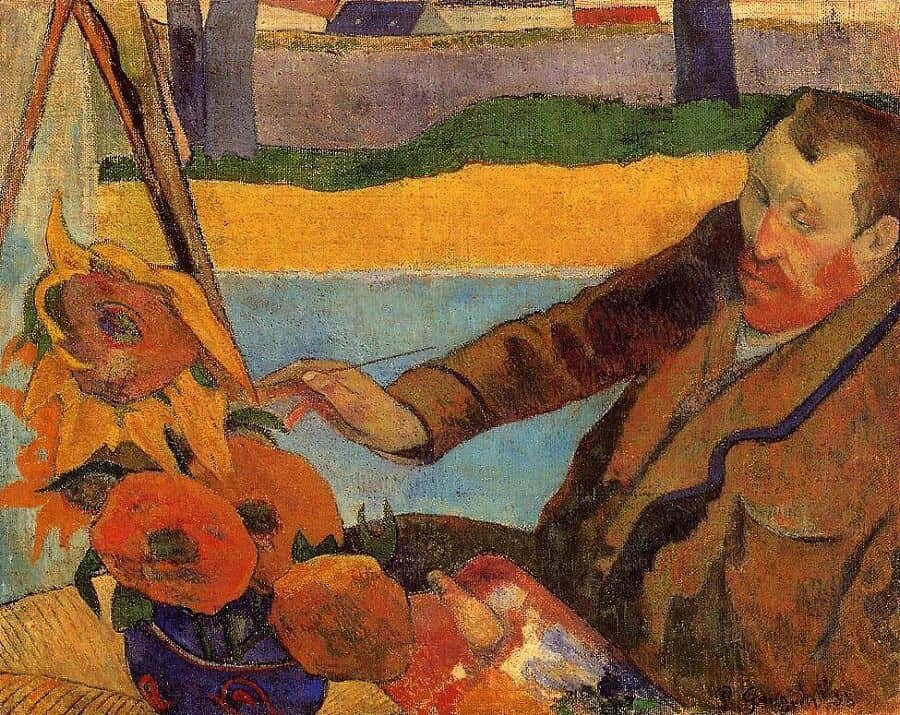
Many people wish they could make beautiful things. However, people acknowledge that being an artist is an undeniably vulnerable task that requires truthfulness of expression and, as artist Henri Matisse proposes, takes courage. In the post, Miss Teska explores how prioritizing the arts in classical education can lead students to recognize beauty in their daily lives and orient their actions toward good. Practicing the virtue of friendship, or seeking virtue together, is essential to this end. Miss Teska offers some suggestions for how to cultivate the virtue of friendship in the art classroom.

Master Teacher Sam Clausen explains why teachers ought to take advantage of working in a school that has students from Kindergarten through 12th grade. He includes 7 very practical ways teachers can work with students outside their grade level or subject!
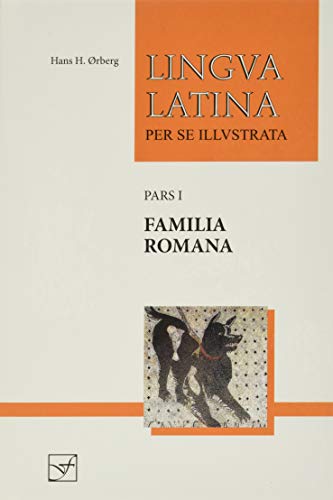
Master Teacher Mr. Battaglia introduces the theory behind the Latin text, Lingua Latina, and presents practical ways to enhance your instruction.

Anticipating the semester ahead, Sam Clausen shares few principles to help teachers through the busyness of a full school year.

As young aspiring artists, students often ask questions like, "How can I make this look real?" because they measure their success and growth in art based on how realistically they captured the subject of their piece. In this post, Miss Teska explains how the seventh-grade art curriculum continuously explores art that moves toward abstraction and away from realism, offering an opportunity for students to witness new art styles and begin to curate a style of their own.

In this post, Mr. Punt talks through a realization he had teaching second grade boys an American love song and the place of folk songs in the human experience.

In this post, Mr. Battaglia offers three succinct ideas that can help you effectively utilize the Land of Hope textbook in your American History class.

The story of Pollyanna is one that delights my students and helps foster in them a love of literature. However, I find an even greater value in the powerfully formative tool it provides to me for the character development of my students.
 The Classical Classroom