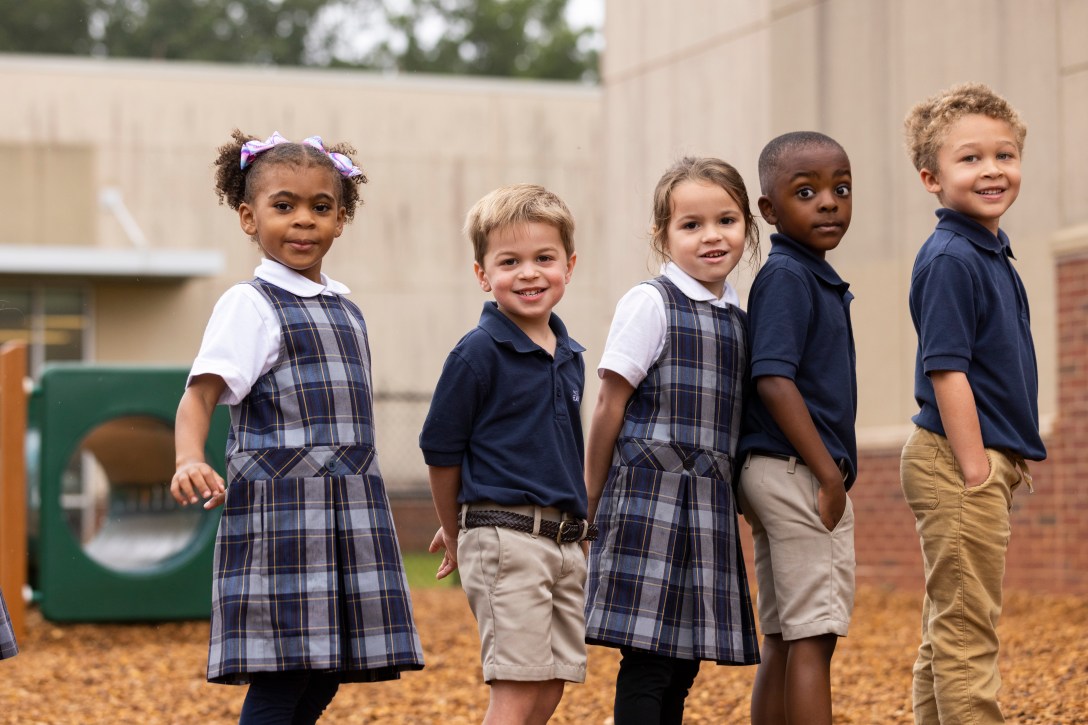
A reflection on why our students wear uniforms and an argument for the goods they produce in our communities of learners.

A glimpse inside Hillsdale College's network of classical schools across the country.
A reflection on why our students wear uniforms and an argument for the goods they produce in our communities of learners.

In the weeks before a new Hillsdale classical school opens, the Teacher Support Team will travel to the campus and lead New School Training to help prepare the teachers for the years to come. Read more on this type of support from Gwendolyn Yarbrough, one of our Classical Pedagogy Trainers!

A school brings individuals together - parents, teachers, and students. With every passing year, these relationships grow and develop into a robust school community. In this post, Master Teacher Jennifer Mulvey provides some insights on this topic!

"Despite all their time in study, our students’ worlds are not limited to books and math equations. In our schools, students are presented with such a wide array of topics that open their minds and hearts to appreciate so many disciplines. In art, they learn the skills of drawing, painting, and charcoal. In choir, they learn rhythms, harmonies, and the works of master composers."
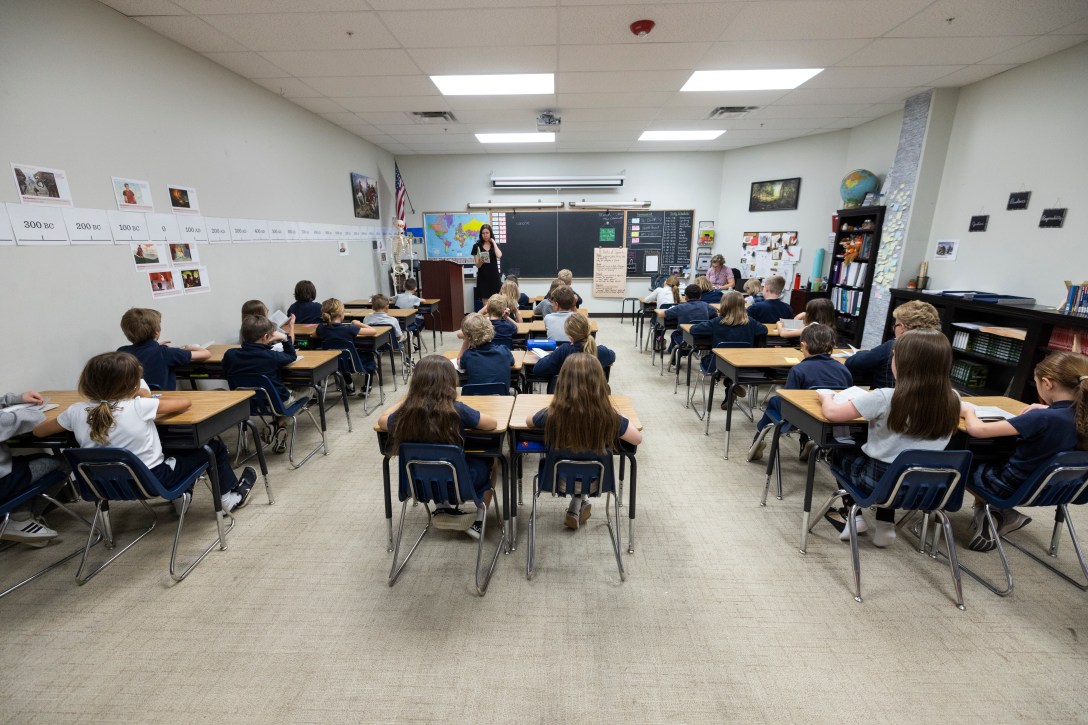
The physical space in which learning takes place has a profound effect on the student. This external environment should be intentionally chosen and set up in a way that supports student learning, ties into the curriculum, and emphasizes the unique relationship between the students and the teacher.
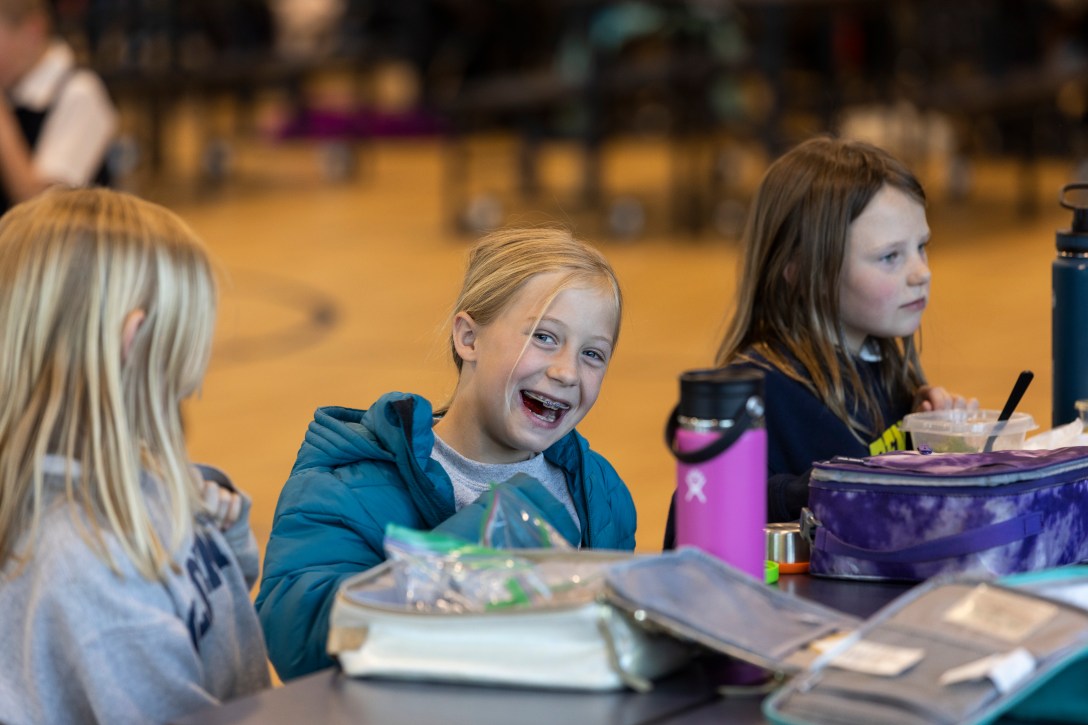
There's a reason why the image of a family gathered around a table enjoying a meal together invokes warm feelings of communion and kinship. While we can't recreate a shared family dinner with all its intimacy inside the schoolhouse, teachers can help to develop in children the kinds of virtues and conversational skills that are… Continue reading Civilized Meal Time and the Virtues of School Lunch

“Pourquoi est-ce que les vacances scolaires sont importantes?” Posing the question “Why are school breaks important?” to a room of high schoolers four days before the end of first semester garnered the exact passionate responses I anticipated from these tired youths. After some time for reflection, I recorded the class’ reactions on the board: “Nous sommes fatigués ! Il faut se reposer ! J’ai envie de dormir ! - We are tired! We have to rest! I need sleep!” As a teacher, I feel the same sentiments keenly this time of year.

As a teacher in a classical classroom, I hope that my teaching will be effective for all my students. But recently, I heard another educator claim that the education we offer doesn’t work for boys. It is too still, too boring, and too structured. Being in a very full classroom with more boys than girls this year, I would like to speak to this critique.
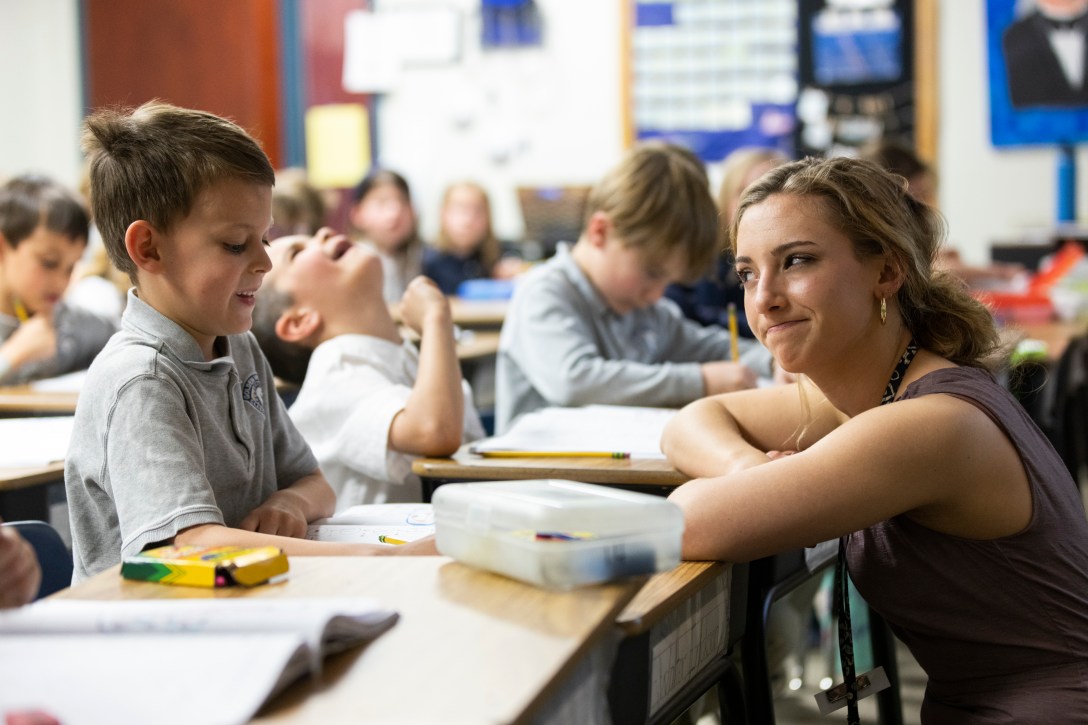
There is one thing, though, which never fails to bring real consolation to me in moments of stress, doubt, or wondering “what is it all for?” The obvious answer, for many teachers, is, of course, their students and the relationships they build with them over the years. This is true of myself as well, but recently my thoughts have dwelt on the everyday interactions, the words my students say, the things they notice, and the things they speak surreptitiously to each other in the back of class when they think, foolishly, that I cannot hear them.

Envision classroom discussions beaming with student involvement, where curious minds are posing thoughtful questions and attentive peers respond with their own hypotheses, solutions, ideas, and extension questions. How do you build a classroom culture that facilitates this level of engagement and willingness to inquire authentically and share ideas courageously?
 The Classical Classroom